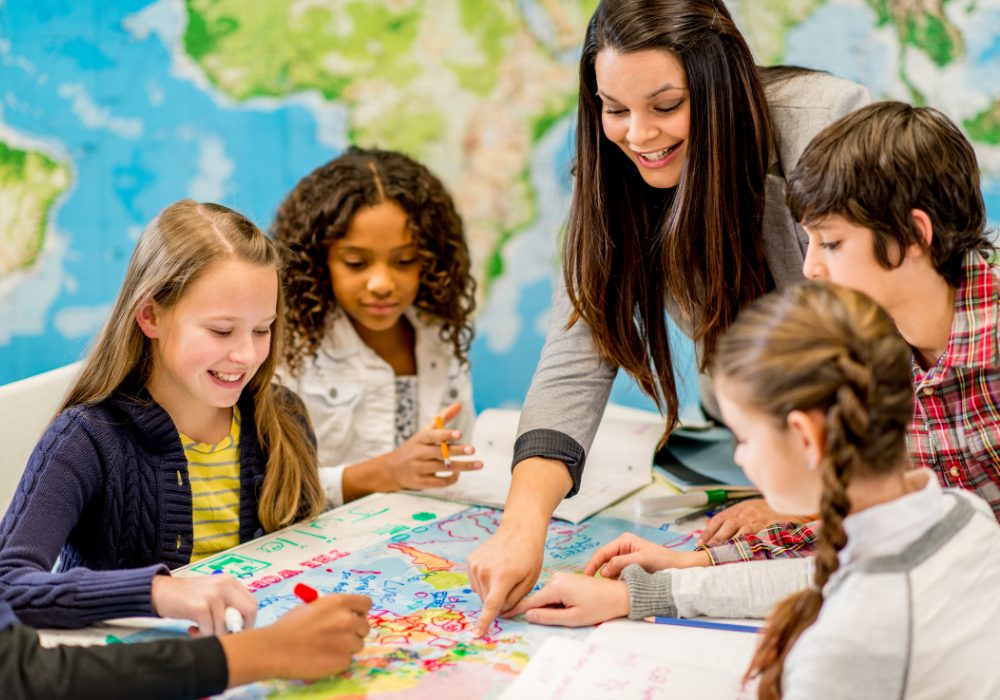
As the student population in schools grows increasingly diverse, the importance of a culturally responsive curriculum becomes paramount. A culturally responsive curriculum recognizes and values students’ diverse backgrounds and experiences, promoting inclusivity and engagement. This article discusses the significance of culturally responsive teaching, the challenges schools face, and effective strategies for developing a curriculum that reflects the diversity of the student body.
The Importance of a Culturally Responsive Curriculum
A culturally responsive curriculum helps students feel valued and understood, fostering a sense of belonging. It acknowledges that students come from various cultural backgrounds, and their experiences can enrich the learning environment. Benefits include:
- Improved Academic Performance: When students see their cultures represented in the curriculum, they are more likely to engage in learning and perform better academically. Studies show that culturally relevant materials can boost motivation and achievement.
- Enhanced Critical Thinking: A culturally responsive curriculum encourages students to think critically about their societies and the world around them. By exploring diverse perspectives, students can develop a deeper understanding of complex social issues.
- Social Cohesion: Culturally responsive teaching promotes understanding and respect among students from different backgrounds. This prepares students to thrive in a multicultural society and develop empathy for others.
Challenges Educators Face
Despite the importance of culturally responsive teaching, numerous challenges hinder its implementation:
- Limited Resources: Many educators struggle to find culturally relevant materials that reflect their students’ diversity. Traditional textbooks often lack representation, making it challenging to create an inclusive curriculum.
- Lack of Training: Not all teachers have been trained in culturally responsive teaching practices. Without understanding how to incorporate diverse perspectives, educators may inadvertently maintain a Eurocentric curriculum.
- Resistance: Some educators or community members may resist changes to the curriculum, fearing that it will dilute core subjects or promote ideological agendas. Addressing these concerns requires open dialogue and education.
 Strategies for Developing a Culturally Responsive Curriculum Strategies for Developing a Culturally Responsive Curriculum
To create a culturally responsive curriculum, schools can implement several effective strategies:
- Conduct Curriculum Audits: Schools should evaluate existing curriculum materials for representation and inclusivity. Identifying gaps can help educators understand which areas need improvement and what resources to seek.
- Incorporate Diverse Voices: Educators should strive to include texts and resources from diverse authors and perspectives in their teaching. This may involve integrating literature, case studies, and historical accounts that reflect various cultures.
- Provide Professional Development: Offering training on culturally responsive teaching practices is essential for educators. Workshops and seminars can equip teachers with the tools they need to create inclusive learning environments.
- Engage with the Community: Involving parents, students, and community members in curriculum development can ensure that diverse perspectives are represented. Schools can hold forums and discussions to gather input and insights.
- Adapt Assessments and Teaching Strategies: Educators should consider how assessments reflect diverse learning styles and experiences. Adapting teaching methods to accommodate various cultural backgrounds can enhance student engagement.
Conclusion
Building a culturally responsive curriculum is essential for creating an inclusive educational environment where all students feel valued and understood. By recognizing and celebrating diversity, schools can empower learners to succeed academically and socially. As educators continue to develop and implement culturally responsive teaching practices, they can help prepare students for success in a global society. |



 Strategies for Developing a Culturally Responsive Curriculum